
Carpet Tile Specifications for High-Traffic Commercial Zones: The Science Behind Durability
Technical parameters that determine performance in demanding environments.
Pain Point Addressed
Premature wear patterns, visible damage in 2-3 years, and warranty disputes.
Specification Details
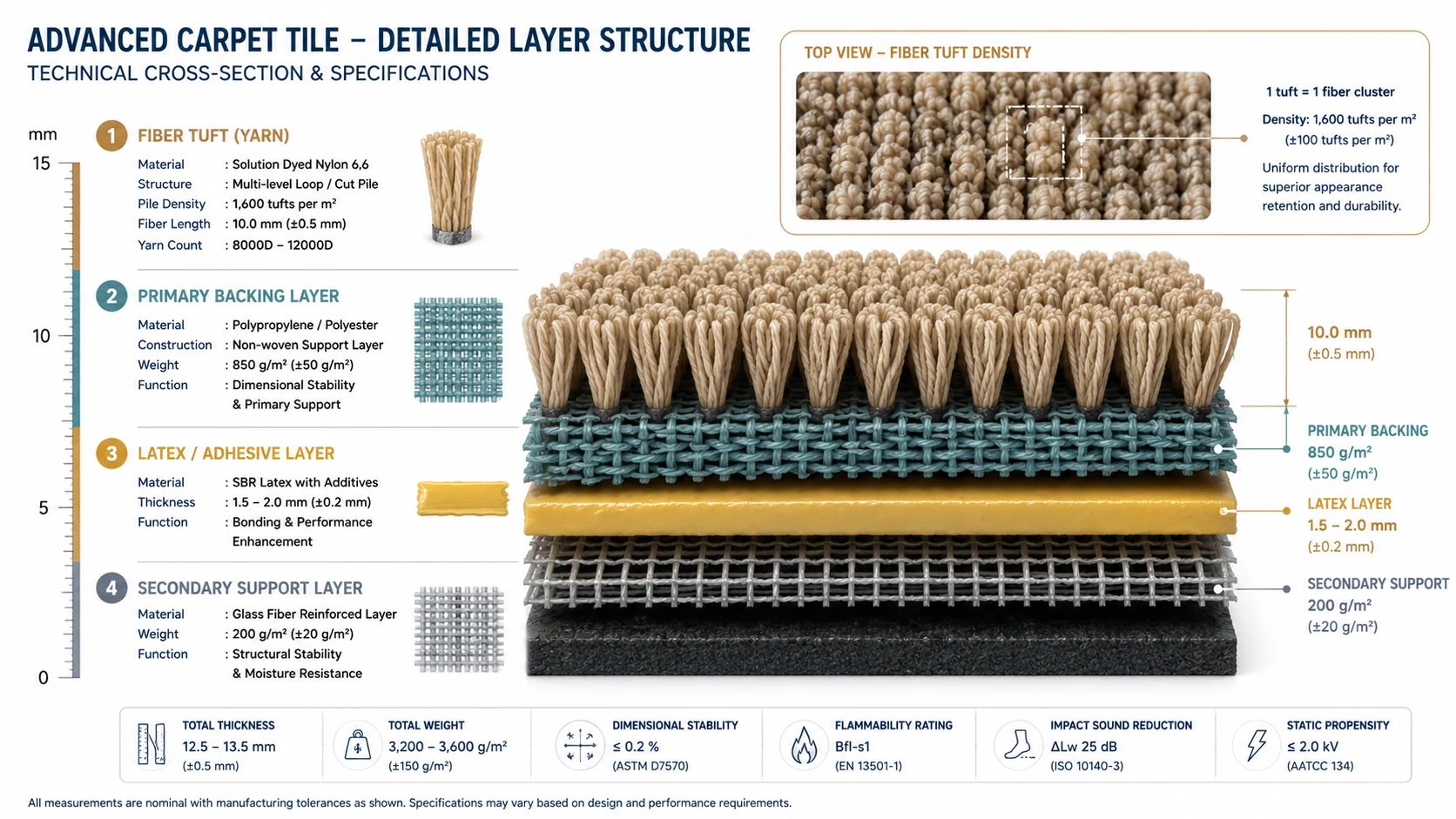
Pile height, tuft density, and backing system stability are core determinants of durability in high-traffic commercial zones.
Specification decisions should follow traffic profile, cleaning method, and functional zoning requirements.
Aesthetics alone cannot predict lifecycle performance under rolling loads, repeated cleaning, and climate variation.
The right technical baseline reduces early wear complaints and warranty conflict.
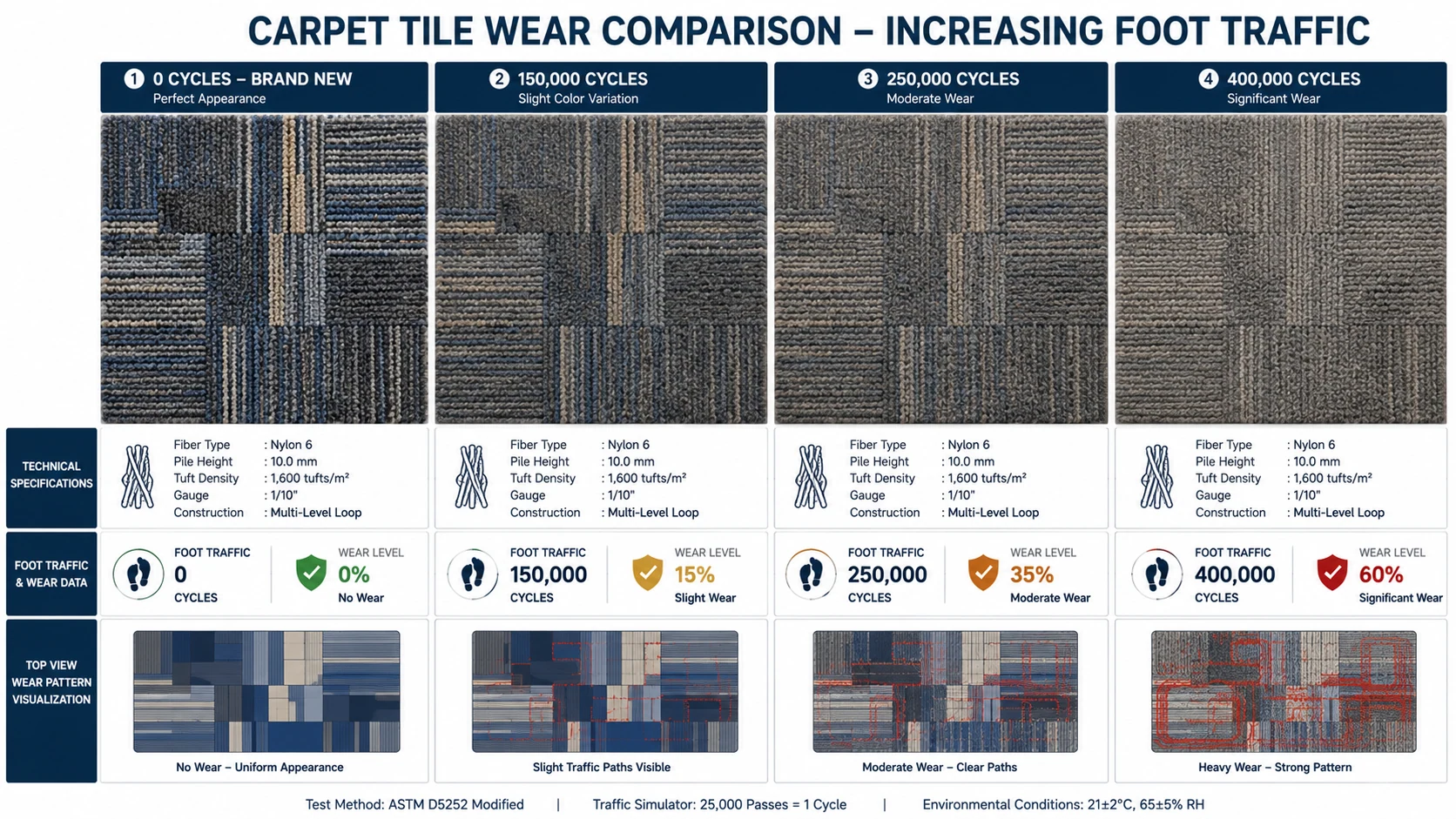
Wear Comparison
Wear should be evaluated across lifecycle checkpoints rather than judged from first-install appearance.
Early-stage visual quality can hide structural weaknesses that appear under sustained traffic cycles.
Progressive wear comparison gives procurement teams a clearer decision basis than catalog claims.
This helps avoid false savings from low-grade products that fail early in operation.
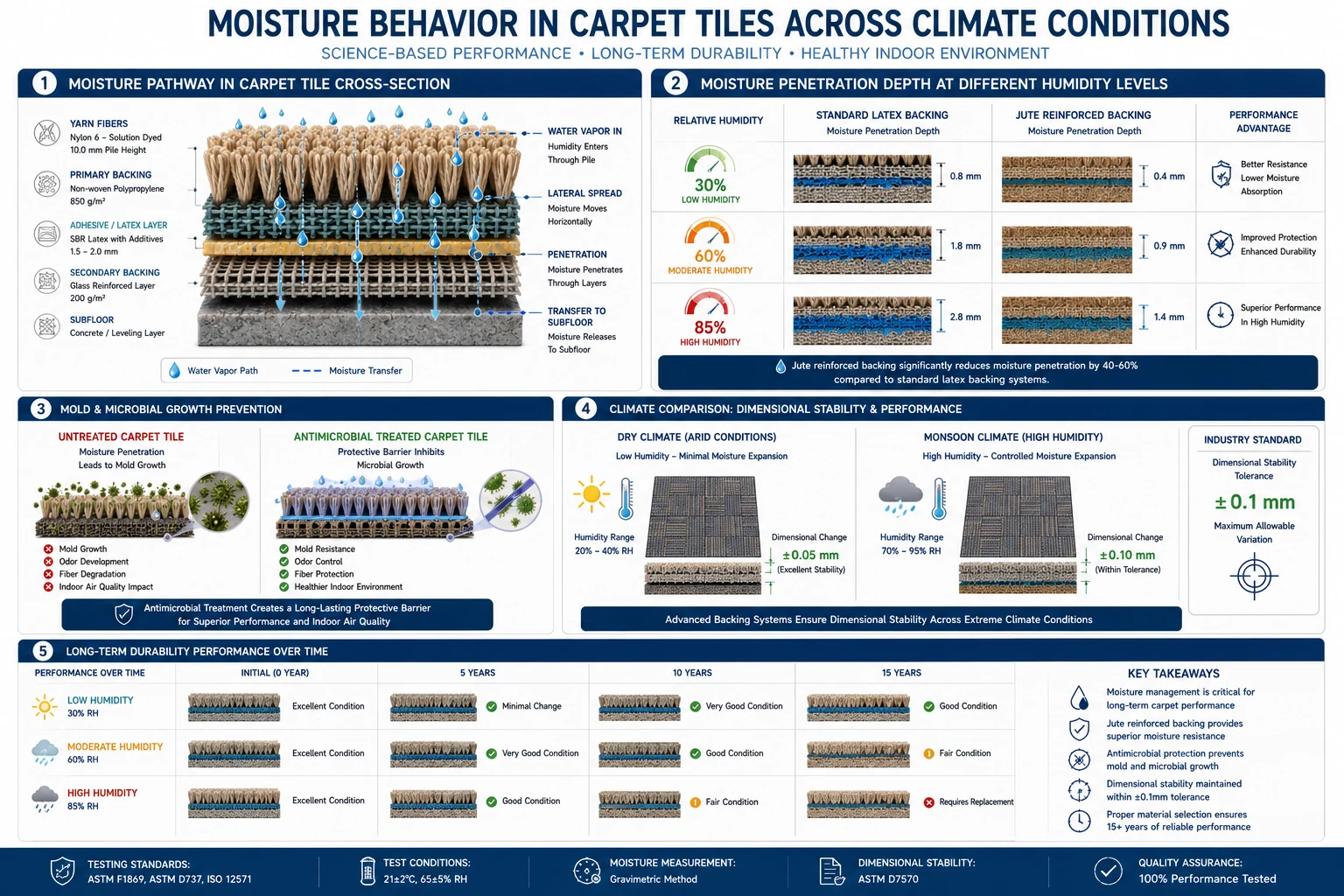
Climate Adaptation
Climate behavior is critical in monsoon and mixed-humidity regions where moisture stress can alter carpet stability.
Backing composition, antimicrobial treatment, and vapor-management behavior should be included in technical review.
Moisture adaptation is a procurement-stage decision, not a late installation workaround.
Projects that ignore climate variables often face dimensional movement, odor risk, and higher maintenance frequency.
Turn This Guide Into a Quote
Send Your Project Requirements After Reading This Guide
If this topic matches your project, send the carpet application, estimated area, destination, and required date. Vishome can recommend the related product path and reply with sample, MOQ, lead time, and quotation details.
Email: sales@vishomecarpet.com
Continue Your Specification
Related Products

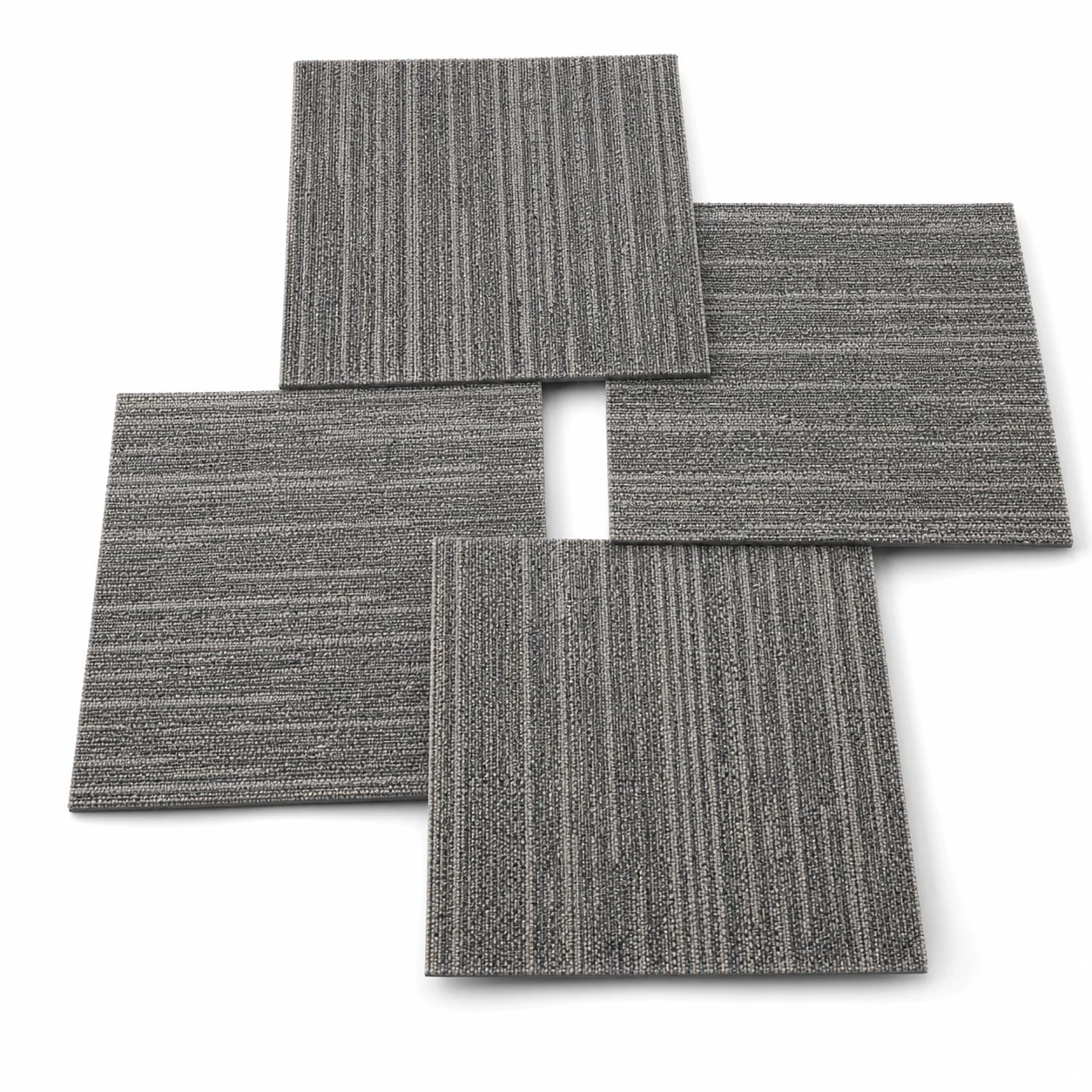

Browse the Full Range